Why Bold Activist Tees Are the New Uniform of Social Justice
I still remember the first time I wore a T-shirt that said something. It was a simple screen-printed design I picked up at a rally, and it had a quote from Martin Luther King Jr. on the front. I was nervous at first. What would people think? Would I look like I was just following a trend? But as I walked through the city that afternoon, a stranger stopped me and said, "Thank you. I needed to see that today." That moment changed how I think about clothing. A T-shirt is not just fabric. It can be a statement, a conversation starter, and a quiet act of civil disobedience all at once.
Over the years, the landscape of protest apparel has shifted. What used to be a niche market for die-hard activists has become a mainstream way for everyday people to show where they stand. And at the center of this shift are bold activist tees. These are not the faded, generic slogan shirts you find in a discount bin. They are designed with purpose. They use sharp language, striking graphics, and often a bit of satire to make a point. Whether you are marching in a crowd or just grabbing coffee, wearing one signals that you are paying attention.
The Rise of the Statement Shirt
The T-shirt itself has a long history as a canvas for expression. In the 1960s and 1970s, bands like The Rolling Stones and designers like Vivienne Westwood turned it into a cultural artifact. But it was political movements that gave the T-shirt its real power. The Black Panthers used shirts to build solidarity. The AIDS activism of the 1980s turned the shirt into a tool for visibility. Then came the 1990s and 2000s, when brands like Nike and Ralph Lauren used logos to signal status, not ideology.
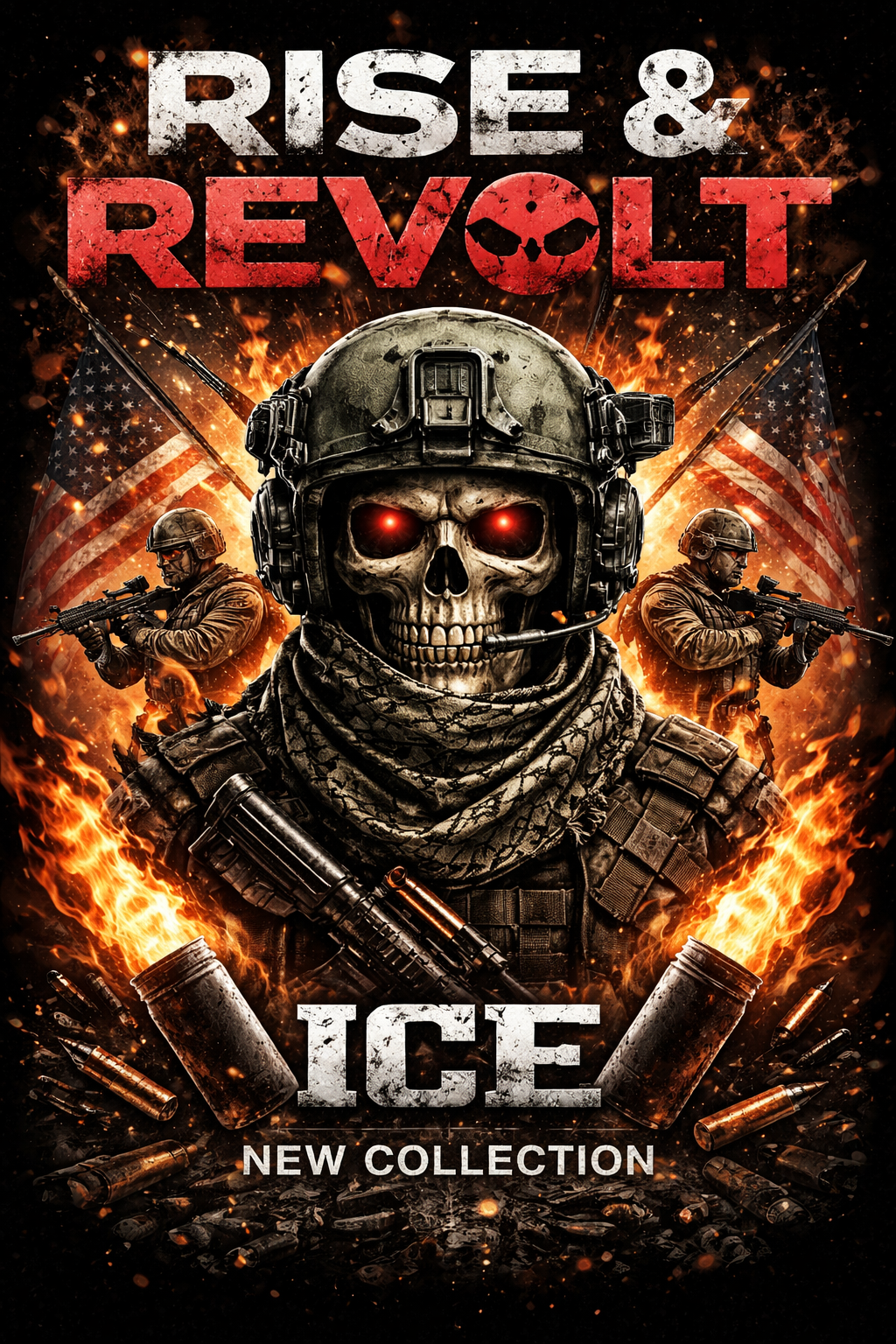
Today, the pendulum has swung back. People want their clothes to mean something beyond a brand name. That is where bold activist tees come in. They fill a gap that traditional fashion brands often ignore. Patagonia, for example, has long used its platform for environmental causes, but its approach is more about corporate responsibility than personal defiance. A bold activist tee, on the other hand, is meant to be worn by you, the individual, as a direct statement. It is less about the brand on the label and more about the message on the chest.
From Hashtags to Fabric
We live in an era of hashtag activism. A hashtag can spread around the world in hours, but it can also feel fleeting. A T-shirt is different. It is physical. It stays with you. You wash it, you wear it, you see it in your closet. It is a commitment. When you buy a shirt that says Black Lives Matter or references Occupy Wall Street, you are not just clicking "like." You are putting your body behind an idea.
That physicality matters. I have friends who collect activist shirts the way some people collect concert tees. Each one carries a memory of a march, a protest, or a conversation. They are not just artifacts of a moment. They are tools for the next moment. When you wear a shirt with a bold slogan, you invite dialogue. You might get a thumbs up, a question, or even an argument. That is the point. Civil discourse starts with visibility, and a T-shirt is one of the easiest ways to be visible.
Why Bold Activist Tees Work
There is a reason why movements like Occupy Wall Street and Black Lives Matter have leaned so heavily on T-shirts. They are democratic. Anyone can buy one or make one. Screen printing is relatively cheap and accessible. A group of friends can design a shirt on a laptop, have it printed at a local shop, and sell it at a rally within a week. Compare that to the slow, expensive process of producing a billboard or a TV ad. The T-shirt is the people's medium.
But not all activist tees are created equal. A shirt that just says "Love" with a generic font is not going to spark the same reaction as one with a pointed, satirical design. The best bold activist tees take a risk. They use humor, irony, or direct confrontation. They borrow from the visual language of protest art, which has a long tradition of using simple, bold imagery to make complex arguments. Think of the iconic raised fist, or the stylized portraits of Che Guevara. These images work because they are instantly recognizable and emotionally charged.
That is also why some brands have had trouble pulling off activist apparel. When Supreme or Ralph Lauren release a T-shirt with a political slogan, it can feel like a marketing gimmick. The message gets lost in the brand. The shirt becomes more about the label than the cause. A true bold activist tee does not need a logo to sell. It sells itself on the strength of its message.
The Digital Marketplace for Activist Tees
Where do people find these shirts? Ten years ago, you might have had to go to a specific store or a protest. Now, platforms like Etsy and Redbubble are full of independent artists selling their own designs. Instagram has become a giant showroom for activist apparel. A clever design can go viral on social media, and then people flock to buy it. This has made it easier than ever for activists to create and distribute their own clothing without needing a big budget or a corporate partner.
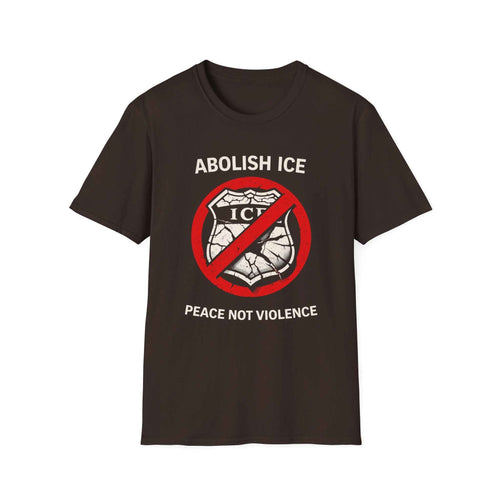
But there is a downside. The ease of printing has also led to a flood of performative activism. Some sellers slap a popular hashtag on a shirt with no real connection to the cause. They are cashing in on a movement without contributing to it. As a buyer, you have to be careful. Look for sellers who donate a portion of their proceeds to organizations like the ACLU or Amnesty International. Read the description. See if the designer has a history of activism. A shirt that supports a cause should also support the people doing the work.
When Fashion Meets Protest
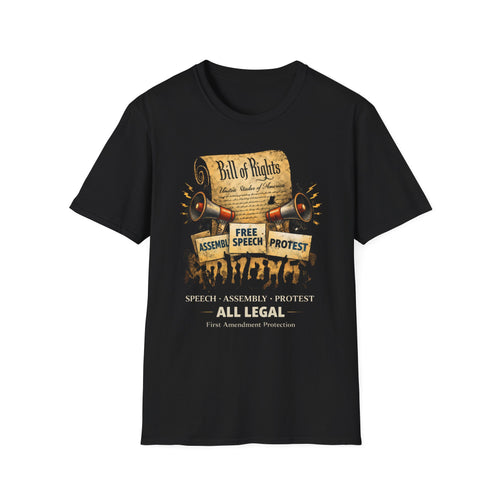
I have seen people wear activist tees in surprising places. A lawyer I know wears a shirt that says "Freedom of Speech" under her blazer in court. A teacher in my neighborhood wears one that says "Protect Trans Kids" to parent-teacher conferences. These are not protesters in the streets. They are people in their everyday lives, using clothing to remind others that the First Amendment is not just a law. It is a practice.
And then there are the celebrities. Beyoncé has worn T-shirts that reference Black Lives Matter and other movements, turning them into instant fashion statements. When she wears a shirt, millions of people see it. That can be a powerful amplifier for a cause. But it also risks turning a serious message into a trend. The same shirt that was a symbol of resistance can become a commodity, worn by people who do not understand or support the movement. That is the double-edged sword of visibility.
Practical Advice for Choosing Your Shirt
If you are looking for a bold activist tee, think about what you want to say. Do you want to be direct, funny, or satirical? Do you want to support a specific cause, like environmental justice or voting rights? Here are a few things to keep in mind:
- Look for quality materials. A shirt that falls apart after three washes is not a good investment for your message or your wallet.
- Check the printing method. Screen printing lasts longer than iron-on transfers. You want your message to hold up.
- Research the seller. Do they donate to the cause? Are they part of the community they represent?
- Consider the design. A cluttered or confusing graphic will not communicate well in a crowd.
- Wear it with intention. A bold activist tee is not just a fashion choice. It is a statement of solidarity.
I have bought shirts from small artists on Etsy and from big organizations like Amnesty International. Each one has a different feel. The small artist shirts feel personal, like I am supporting a real person. The organization shirts feel official, like I am part of a larger movement. Both have their place. The key is to wear them with purpose.
The Future of Activist Apparel
As political polarization grows, so does the demand for clothing that signals allegiance. Bold activist tees are not going away. They are evolving. I see more designs that use satire and humor instead of just anger. I see more shirts that reference specific legislation or local issues rather than broad slogans. And I see more people using them as a way to teach. A shirt with a clever reference can start a conversation that leads to real learning.
The challenge is to keep the message authentic. When a cause becomes trendy, there is always a risk of dilution. But the best activist tees survive that trend cycle. They become classics, worn by new generations of activists who discover them at rallies or online. They are not just fashion. They are history on a shirt.
So whether you are marching in a protest or just going to the grocery store, consider what your T-shirt says. It might be the only chance you get to speak before you even open your mouth. And in a world that often feels overwhelming, a bold activist tee is a small but real way to stand up for what you believe in.
Ends · 5P23V2K7QR